Best Online Custom Framing: ArtoLeaf vs Framebridge, Level Frames & Simply Framed

Macroeconomic Context and the Evolution of the Custom Framing Industry
The North American picture frame market is currently undergoing a period of profound transformation and rapid expansion. Valued at approximately $5.42 billion in 2025, the industry is projected to reach $9.39 billion by the early 2030s. Within this broad economic landscape, the online direct-to-consumer (DTC) distribution channel is expanding at a compound annual growth rate (CAGR) of over 9.10%, significantly outpacing traditional brick-and-mortar retail. This paradigm shift is driven by the ubiquitous integration of high-resolution smartphone photography, the unparalleled convenience of digital shopping, and a growing consumer desire for highly personalized home decor.
Historically, consumers seeking custom framing were forced to navigate local craft stores or boutique frame shops, a process fraught with friction. Traditional framing environments are often characterized by opaque pricing models, an overwhelming array of material choices presented under harsh fluorescent lighting, and significant sticker shock. Industry professionals operating within large retail chains frequently encounter consumer frustration regarding pricing; a standard custom frame quote for a mid-sized piece at a big-box retailer can easily exceed $500, a figure that budget-conscious consumers find prohibitive. The emergence of online custom framing platforms has revolutionized this dynamic by offering transparent, upfront pricing, sophisticated digital preview tools, and convenient mail-in services.
However, as the online custom framing market matures, a distinct stratification has occurred between entry-level budget framers and premium, archival-grade services. Consumers must now differentiate between providers based on complex metrics, including substrate quality, glazing technology, print longevity, and technological integration. This report provides an exhaustive comparative analysis of the premium online framing sector, specifically evaluating the emerging market disruptor ArtoLeaf against three of its most prominent and established competitors in the United States: Framebridge, Level Frames, and Simply Framed.
Through a rigorous examination of material science, archival standards, spatial design psychology, user experience, and pricing models, this analysis delineates the competitive advantages and operational nuances of each platform. The objective is to provide a comprehensive framework for understanding how ArtoLeaf’s bespoke service—characterized by solid Ayous hardwood, Acrylite glazing, zero-risk AI digital proofing, and 12-color archival giclée printing—compares to the legacy systems established by the giants of the online framing industry.
The Competitive Landscape: An Analysis of Legacy Market Leaders
To effectively contextualize ArtoLeaf’s strategic positioning within the market, it is essential to first conduct a deep-dive analysis of the three leading competitors that have historically defined the online custom framing space. Each of these companies has pioneered specific operational models, catering to distinct segments of the consumer base, while simultaneously exhibiting structural vulnerabilities.
Framebridge: The Architect of the Digital Framing Category
Framebridge is widely recognized as the primary pioneer of the online custom framing model, having launched in 2014 with a mission to streamline and demystify the framing process. The company is celebrated for its highly curated, user-friendly digital experience and a vast selection of over 140 frame styles, ranging from classic wood tones to colorful, glossy finishes and textured options. Framebridge built its reputation on a flat-rate pricing model based strictly on the overarching size bracket of the artwork, ensuring that consumers are not penalized with escalating costs for choosing different frame moldings or adding standard matting. Prices begin at $70 for Extra Small digital prints and scale up to $365 for Grand scale physical items mailed into their facility.
The platform accommodates both digital file uploads and mail-in physical items, providing consumers with prepaid, heavily protected packaging to ensure the safe transit of original artwork to their centralized production facilities. Framebridge has also expanded its footprint into physical retail, operating storefronts in multiple states to capture consumers who still prefer face-to-face design consultations. Their customer service is bolstered by a robust "100% Happiness Guarantee," which promises a replacement within a year if the consumer is dissatisfied for any reason.
Despite its overwhelming market dominance, Framebridge exhibits certain operational and material limitations that provide opportunities for competitors like ArtoLeaf. The platform relies heavily on standardized sizing brackets, meaning that a fractional variation in artwork dimensions can arbitrarily push a framing project into a significantly higher pricing tier, a practice that has drawn criticism from industry professionals and consumers alike. Furthermore, digital uploads are restricted by relatively low file size caps, with a maximum allowance of 30MB and a complete lack of support for professional-grade TIFF files. This restriction can severely frustrate professional photographers seeking lossless print quality for large-scale reproductions. Additionally, while Framebridge utilizes acrylic glazing for safety during shipping, their standard acrylic offers only 93% UV protection, requiring an expensive upcharge for enhanced archival UV acrylic that blocks up to 99% of harmful radiation. Some critics within professional framing communities have also noted the use of paper matting and PVC-based tapes in certain Framebridge products, which deviate from strict museum-grade archival standards.
Level Frames: The Museum-Grade Professional Standard
Level Frames positions itself directly against the mass-market approach of Framebridge, serving as the premium, museum-quality alternative within the direct-to-consumer sector. The company is particularly favored by professional artists, illustrators, and high-end photographers due to its robust digital infrastructure, which accepts massive file sizes up to 2GB and over 400 megapixels, alongside full support for lossless TIFF formats. Level Frames differentiates itself structurally by offering highly customizable frame dimensions calculated down to fractions of an inch, rather than forcing the consumer's artwork into predetermined size brackets.
A defining feature of the Level Frames operational model is its bifurcated service offering: "At-Home" and "In-Studio" framing. The At-Home option is an expedited service that ships a custom-built empty frame, a pre-cut mat, and a comprehensive tool kit directly to the consumer, allowing them to mount their own physical artwork in a matter of minutes. This model circumvents the anxiety and extended wait times associated with mailing valuable, irreplaceable art across the country. For consumers who prefer a turnkey solution, the In-Studio service handles the entire process, though it incurs an additional flat fee of $25 for up to three items.
From a material standpoint, Level Frames is notable for offering Tru Vue Optium Museum Acrylic as a premium upgrade. This specific acrylic features advanced anti-reflective and anti-static coatings, making it virtually invisible and ensuring the highest possible level of archival protection. The company also maintains a strong commitment to environmental sustainability, operating a program that plants a tree for every frame purchased. However, Level Frames operates with a more curated, limited selection of frame styles compared to Framebridge, offering roughly 25 classic profiles. Furthermore, their customer service response times have occasionally been cited as slower than their larger competitors, and their "happiness guarantee" is limited to 60 days, significantly shorter than Framebridge's full-year policy.
Simply Framed: The Designer and Gallery Network
Simply Framed targets a specialized demographic that heavily overlaps with boutique art galleries, professional interior designers, and working artists. Since its inception in 2014, the company has distinguished itself through an extensive array of advanced customization options, including specialized framing techniques such as intricate float mounting, framing to the absolute edge (full-bleed), and the incorporation of vibrant, colorful Plexi frames. Simply Framed is uniquely capable of handling massive, large-scale pieces, offering custom framing for items scaling up to 40 by 60 inches.
Similar to the Level Frames model, Simply Framed offers a "Frame It Yourself" (FIY) service alongside traditional mail-in options. They also provide a highly personalized Gallery Wall Concierge Service, allowing users to consult directly via video chat with design professionals to map out complex, multi-frame wall arrangements based on smartphone photos of their living space.
However, the Simply Framed ecosystem operates at a significantly higher price point than many entry-level competitors. While their advertised "Starting At" prices may appear accessible, the final cost at checkout frequently escalates dramatically once custom mats, specialized museum glazing, and specific mounting techniques like float mounting (which incurs a $25 to $50 upcharge) are applied. Most critically, Simply Framed maintains a remarkably strict "all sales are final" policy, explicitly stating that they are unable to accept returns or exchanges due to the bespoke nature of the manufacturing process. This policy requires consumers to be absolutely certain of their aesthetic choices and dimensional calculations prior to finalizing their purchase, introducing a level of risk that is absent in the Framebridge or ArtoLeaf models.
The ArtoLeaf Paradigm: Vertically Integrated AI and Archival Craftsmanship
ArtoLeaf approaches the highly competitive custom framing market with a unique synthesis of premium archival materials and cutting-edge artificial intelligence, targeting consumers who demand true museum-grade quality without the friction, risk, or opaque pricing of traditional ordering systems. The platform eschews an overwhelming catalog of hundreds of frames, instead offering a highly curated selection of five bespoke wall art mediums: functional statement art (solid wood finished clocks), vibrant premium luster archival framed pieces, classical museum-matted framed pieces, acid-free fine art canvas prints, and architectural 3D floating canvases.
The cornerstone of the ArtoLeaf consumer experience is its disruptive $0 upfront risk guarantee. Unlike Framebridge, Level Frames, and Simply Framed, which all require full payment before production or proofing begins, ArtoLeaf allows users to upload their images, select their material specifications, and request a complimentary, photorealistic 24-hour digital proof. Payment is only required after the consumer has thoroughly reviewed and approved the digital mockup, ensuring absolute satisfaction with the anticipated final product.
ArtoLeaf further distinguishes itself through the seamless integration of complimentary AI restoration and fine art proofing into every order. Recognizing that consumers frequently wish to frame digital images captured on standard smartphones, ArtoLeaf processes every uploaded photo through proprietary neural super-resolution algorithms. This technology upscales the image resolution by up to 8x without introducing the artificial smoothing or artifacting typical of standard digital enlargement, ensuring tack-sharp printing even at oversized dimensions like 24"x36". Furthermore, the AI system performs automated damage and blemish repair for vintage family scans, sophisticated color grading to ensure natural skin tones, and specialized fur detail enhancement and noise reduction for pet portraits. This technological layer effectively democratizes high-end printmaking, allowing everyday consumer images to meet the rigorous resolution and optical requirements of large-scale archival exhibition.
Material Science Deep Dive I: Wood Substrates and Structural Integrity
The structural integrity, longevity, and aesthetic weight of a custom frame are dictated entirely by the materials utilized in the molding construction. An exhaustive examination of wood substrates reveals significant operational and philosophical differences between ArtoLeaf and its competitors.
The budget framing sector, and occasionally certain product lines within mid-tier DTC companies, frequently rely on medium-density fiberboard (MDF) wrapped in synthetic plastic veneers. While highly cost-effective to manufacture, MDF is fundamentally flawed as an archival framing material. It is highly hygroscopic, meaning it absorbs ambient moisture from the air, leading to inevitable swelling, warping, and eventual structural failure, particularly in humid environments. Furthermore, synthetic veneers lack the depth, texture, and organic warmth of natural wood, visually degrading the perceived value of the artwork.
ArtoLeaf explicitly rejects the use of synthetic plastics, cheap MDF veneers, and brittle moldings. Instead, the company exclusively utilizes 100% solid, FSC-certified renewable Ayous hardwood and natural solid pine wood for every frame and clock casing. Ayous wood (scientifically classified as Triplochiton scleroxylon), native to the tropical forests of West Africa, is highly prized in the premium framing, luthier (guitar making), and architectural cladding industries due to its extraordinary physical properties.
The primary advantage of Ayous hardwood is its remarkable strength-to-weight ratio. With an average density of approximately 390 kg/m³ and a specific gravity of 0.35-0.45, Ayous is significantly lighter than traditional noble domestic woods. For comparative context, a frame constructed from solid oak can be up to 84% heavier than an identically sized frame constructed from Ayous. This low weight reduces the mechanical strain on the frame's hand-mitered corner joints, prevents the bowing of long frame rails on oversized 24"x36" pieces, and makes the final product considerably easier and safer for the consumer to handle and install using standard wall anchors.
Crucially, Ayous possesses exceptional dimensional stability. It exhibits minimal shrinking, twisting, or warping due to fluctuations in ambient temperature and seasonal humidity, vastly outperforming heavier woods like oak which are notoriously prone to warping over time. Its homogeneous cellular structure features a straight grain, few knots, and a fine, uniform texture. Because it is relatively soft and highly porous, Ayous absorbs stains, paints, and protective treatments flawlessly, resulting in a perfectly smooth, museum-quality finish that resists peeling or flaking. Furthermore, the rigorous FSC (Forest Stewardship Council) certification ensures that the Ayous and pine utilized by ArtoLeaf are sourced from responsibly and sustainably managed forests, aligning with the escalating consumer demand for ethically harvested home decor.
While Framebridge, Level Frames, and Simply Framed also utilize real wood moldings, their specific wood species often vary widely depending on the chosen aesthetic style. These competitors frequently rely on heavier domestic hardwoods (which increase shipping costs and hanging difficulty) or utilize pine substrates topped with thin oak or walnut veneers to achieve specific looks. While the use of veneers on pine can offer visual appeal and reasonable stability, the solid, unveneered Ayous construction utilized by ArtoLeaf provides a superior, monolithic structural integrity, ensuring that frames remain perfectly square and structurally sound for generations.
Material Science Deep Dive II: Glazing Technologies and Optical Physics
The protective transparent layer placed over the artwork, universally known in the industry as glazing, serves two vital functions: shielding the delicate paper or canvas from physical damage (dust, moisture, abrasion) and blocking ultraviolet (UV) radiation that causes rapid and irreversible chromatic fading. Historically, standard silica glass was the default glazing material for picture framing. However, standard glass presents severe logistical and preservation issues. It is incredibly heavy, highly reflective (obscuring the art with glare), and inherently brittle. In a direct-to-consumer business model where frames must be shipped across vast distances via parcel carriers, the risk of traditional glass shattering in transit and the resulting shards destroying the artwork beneath it is unacceptably high.
Consequently, the premium online framing industry has almost universally pivoted to advanced acrylic glazing solutions. Framebridge, Level Frames, Simply Framed, and ArtoLeaf all utilize high-grade acrylics for their standard operations. Acrylic is generally preferred because it provides superior optical clarity to standard glass, is highly shatter-resistant, and weighs approximately half as much, significantly reducing shipping costs and wall strain.
ArtoLeaf specifically employs premium Acrylite acrylic across its product lines. Acrylite is a specialized, shatter-resistant material that provides museum-level optical clarity without the hazy or cloudy appearance associated with cheap polystyrene plastics. This lightweight and impact-resistant nature allows ArtoLeaf frames to be safely hung above beds, in children's rooms, and in high-traffic commercial areas without the safety liabilities associated with heavy, breakable glass.
The competitors handle glazing with varying degrees of complexity and cost. Level Frames differentiates itself at the absolute top end of the market by offering Tru Vue Optium Museum Acrylic as a premium upgrade. This specific acrylic is an engineering marvel; it features magnetron-sputtered anti-reflective coatings and anti-static properties, making it virtually invisible to the naked eye while offering maximum UV protection. While Optium provides the absolute pinnacle of glazing technology, it is prohibitively expensive, often doubling or tripling the overall cost of the custom frame.
Framebridge, conversely, includes a standard acrylic with 93% UV protection in its base price. If a consumer requires archival-grade protection (typically defined as blocking 99% of UV rays), Framebridge requires a secondary upcharge for enhanced UV acrylic, adding $15 to $50 to the final bill depending on the size of the piece. ArtoLeaf’s use of high-grade Acrylite strikes an optimal balance, providing superior clarity, impact resistance, and necessary UV protection without burdening the consumer with exorbitant hidden upgrade fees or the paralyzing paradox of choice during the checkout flow.
Material Science Deep Dive III: Archival Printmaking and Color Chemistry
The ultimate longevity of a printed photograph, watercolor illustration, or botanical artwork is entirely dependent on the chemical interaction between the ink and the paper substrate. Standard consumer inkjet printers and budget photo labs predominantly utilize dye-based inks. Dye inks consist of microscopic colorant molecules fully dissolved in a liquid vehicle. Because these particles are so infinitesimally small, they easily absorb into the paper fibers, producing highly vibrant colors initially. However, their molecular size makes them highly unstable; dye-based inks are severely susceptible to ozone degradation, atmospheric pollutants, and UV light. Even under ideal indoor conditions, dye-based prints typically exhibit noticeable fading, color shifting, and yellowing within 5 to 20 years.
To meet rigorous museum, gallery, and curatorial standards, premium framers utilize a sophisticated process known as giclée printmaking. Giclée (derived from the French word meaning "to spray") printing relies on specialized, high-resolution inkjet technology paired exclusively with pigment-based inks. Unlike soluble dyes, pigments are solid, opaque, microscopic particles of color suspended in a carrier fluid. During the printing process, these solid particles sit on top of the paper fibers rather than absorbing deeply into them. Because they are solid matter, pigment particles are chemically stable, highly water-resistant, and incredibly resilient against UV fading and environmental degradation.
ArtoLeaf employs a state-of-the-art 12-color archival giclée printing system. Traditional commercial printing relies on a CMYK (Cyan, Magenta, Yellow, Key/Black) four-color process, which struggles to accurately reproduce certain subtle hues, smooth gradients, and deep shadows. By expanding the color gamut to include 12 distinct pigment tanks—incorporating specialized photo blacks, matte blacks, grays, light cyans, light magentas, and often greens or oranges—the 12-color system ensures flawless chromatic transitions, exceptional shadow detail, and hyper-accurate reproduction of the complex natural tones found in skin, vintage documents, and botanical watercolors.
The global authority on print permanence is Wilhelm Imaging Research (WIR), an independent laboratory that conducts rigorous accelerated lightfastness and environmental testing. According to WIR protocols, prints generated utilizing 12-color pigment ink systems on acid-free substrates carry display permanence ratings exceeding 100 to 200 years under normal indoor, glass-filtered lighting conditions.
To maximize this chemical longevity, ArtoLeaf pairs its giclée pigment inks with museum-grade substrates. Their premium luster photo paper is a heavy 260 g/m² (10 mil thick) archival stock that provides high color saturation with a fingerprint-resistant sheen. For a classical, non-reflective aesthetic, they utilize a 189 g/m² (10.3 mil) heavy matte paper. For textured applications, ArtoLeaf prints on a 344 g/m² PH-neutral, acid-free poly-cotton canvas. Crucially, these materials are OBA-free (Optical Brightening Agents). OBAs are chemical additives used by budget manufacturers to make paper appear artificially white; however, these chemicals inevitably break down over time, causing the paper to turn a sickly yellow. By utilizing OBA-free, naturally brightened substrates, ArtoLeaf guarantees that the foundational white point of the artwork will remain pure and stable for generations, far surpassing the archival capabilities of standard retail photo prints.
The Psychology of Spatial Dynamics and Architectural Hanging Guidelines
Beyond the physical construction of the frame, the emotional and aesthetic impact of wall art is dictated by its proportional relationship to the surrounding architecture and interior furnishings. While Framebridge, Level Frames, and Simply Framed provide excellent physical products, the cognitive burden of determining the correct size rests entirely on the consumer. This lack of guidance frequently results in consumers purchasing pieces that are too small for their intended environment, a common mistake that disrupts the visual harmony of a room.
ArtoLeaf supplements its physical product offerings with a science-backed framework for interior styling, utilizing mathematical equations rooted in visual neuroscience and established interior design principles. According to the principles of cognitive ease, empty walls act as expansive visual fields; when framed art is too small, the human eye must continuously scan the wall, searching for an anchor, which subconsciously induces mild visual stress.
To combat this, ArtoLeaf publishes specific architectural hanging guidelines. For open, empty walls (with no furniture beneath), the "Empty Wall Equation" dictates that the artwork should occupy roughly 60% to 75% of the available wall space. When mounting framed botanical prints or personal photos above furniture—such as a sofa, headboard, or entryway console—ArtoLeaf relies on the "Furniture Anchor Equation" (often referred to as the 2/3 Rule). This principle states that the framed piece, or a cohesive gallery set, must span between 60% and 75% of the furniture's total width to anchor the space and prevent the room from feeling uncomfortably top-heavy.
ArtoLeaf actively guides the consumer toward a harmoniously scaled environment by offering five mathematically optimized frame dimensions:
- 8" x 10" (Aspect Ratio 4:5): The Accent Frame, best utilized for minimalist bathroom decor, bookshelves, or clustered patchwork gallery layouts.
- 12" x 18" (Aspect Ratio 2:3): The Vertical Continuum, ideal for drawing the eye upward on narrow structural columns or alcoves.
- 16" x 20" (Aspect Ratio 4:5): The Versatile Standard, perfect for modern bedrooms or hung in sets over a sofa.
- 18" x 24" (Aspect Ratio 3:4): The Statement Anchor, designed with a bold presence for home offices or flanking a headboard.
- 24" x 36" (Aspect Ratio 2:3): The Architectural Centerpiece, an oversized scale that commands immediate attention, organizing open floor plans and high-ceiling entryways.
Furthermore, ArtoLeaf provides exact micro-measurements for installation, advising a strict 6 to 12 inches of clearance between the top of furniture and the bottom of the frame, and exactly 3 to 6 inches of inter-frame spacing when hanging diptychs or triptychs to maintain their visual relationship without creating a cluttered aesthetic. By integrating this level of spatial education into their platform, ArtoLeaf moves beyond the role of a mere manufacturer and operates as a consultative design partner.
Economic Analysis, Value Proposition, and Consumer Risk Mitigation
Pricing in the custom framing industry is notoriously opaque and difficult to compare on a strict one-to-one basis, as different companies include varying baseline features, shipping costs, and material grades in their advertised prices.
Pricing Matrix and Comparative Value
Framebridge utilizes a rigid, size-based pricing bracket system. Their prices begin at $70 for "Extra Small" digital prints and scale up to $225 for "Extra Large" prints. If a consumer chooses to mail in a physical item, the prices are elevated, reaching $365 for "Grand" scale items. Framebridge's primary market advantage is that the price is locked in based on this bracket; adding a standard mat or choosing a more complex frame molding does not alter the base cost. However, oversized frames incur an additional $25 shipping fee, and as noted previously, fractional dimensional variations can force a piece into a much more expensive bracket.
Level Frames offers a granular pricing structure that calculates costs precisely based on the exact inch dimensions of the artwork. While this can result in lower costs for highly specific, non-standard sizes compared to Framebridge's broad brackets, the price increases incrementally with the addition of mats or the highly coveted Optium acrylic upgrade. Furthermore, Level Frames charges an additional flat fee of $25 for their In-Studio framing service (plus $10 for every two items after the first three), making their DIY At-Home option the strictly more economical choice.
Simply Framed operates at the premium end of the pricing spectrum. While their initial base prices for small frames appear competitive, the final checkout cost rapidly escalates. Techniques like float mounting add $25 to $50, and specialized acrylics further drive up the price.
ArtoLeaf employs a highly competitive, direct-to-artisan pricing model. Premium luster photo paper framed posters begin at $95.99, while massive 24"x36" matte paper framed posters with a beveled mat are priced from $145.99. Acid-free canvas wraps start at just $54.99. Importantly, ArtoLeaf's pricing represents an all-inclusive value proposition. The base price inherently includes the AI neural restoration and upscaling, the zero-risk digital proofing, the premium Acrylite glazing, and the 12-color archival giclée printing. Furthermore, ArtoLeaf includes free tracked shipping on all orders over $99 within the contiguous United States and Canada. When factoring in the intrinsic cost of high-resolution AI image upscaling—a service that normally requires expensive third-party software subscriptions or professional retouching fees—ArtoLeaf's pricing presents exceptional economic value for consumers framing digital photography.
Data Comparison: Feature Set and Operational Models
The following matrix crystallizes the distinctions between these four leading services based on their current operational parameters.
The Psychology of Risk Deferral in High-Ticket E-commerce
Custom framing represents a high-ticket, highly emotional consumer purchase. Unlike mass-manufactured, utilitarian goods, a framed piece of personal art, a wedding photograph, or a vintage family heirloom is deeply intertwined with the consumer's personal identity and domestic sanctuary. The standard e-commerce model—requiring immediate, upfront payment based solely on a sterile digital preview—generates significant purchasing friction, buyer anxiety, and high cart abandonment rates.
Framebridge and Level Frames attempt to mitigate this anxiety post-purchase through generous "happiness guarantees" and return policies. Simply Framed, conversely, places the entire burden of risk on the consumer with a strict no-return policy.
ArtoLeaf’s $0 upfront risk model represents a profound psychological shift in e-commerce strategy. By entirely deferring payment until after the consumer has received, reviewed, and explicitly approved a bespoke, AI-enhanced, high-definition digital proof, ArtoLeaf eliminates the cognitive dissonance associated with buying custom goods sight-unseen. This asynchronous transaction builds immediate, immense brand trust. It signals to the consumer that the brand is entirely confident in the quality of its AI digital restoration and its physical manufacturing capabilities. In a market where competitors rely on the promise of post-purchase returns to assuage buyer anxiety, ArtoLeaf’s pre-purchase proofing is a highly disruptive, consumer-centric mechanism for driving conversion and ensuring absolute satisfaction before manufacturing even begins.
Conclusion and Strategic Market Outlook
The direct-to-consumer custom framing market has successfully dismantled the logistical and financial barriers of traditional brick-and-mortar frame shops, offering unprecedented access to high-quality display solutions. Framebridge remains a formidable and popular choice for consumers seeking a vast variety of colorful, trend-driven styles and a simplified, if occasionally inflexible, flat-rate pricing structure. Level Frames excels for professional artists and archival purists who require massive file uploads, granular dimensional control, and are willing to pay the premium for Tru Vue Optium acrylic. Simply Framed provides the deep aesthetic customization, edge-to-edge floating, and massive large-scale capabilities favored by interior designers and trade professionals, provided the client accepts the strict no-return policies.
However, this exhaustive analysis indicates that ArtoLeaf has established a uniquely compelling and technologically advanced paradigm within the premium framing sector. By vertically integrating 12-color archival giclée printmaking with highly stable, sustainable Ayous hardwood and shatterproof Acrylite glazing, ArtoLeaf matches the material excellence of the highest-end boutique framers.
Where ArtoLeaf definitively supersedes the legacy competition is in its digital workflow and risk mitigation strategy. The inclusion of free, proprietary AI image restoration democratizes large-scale, museum-grade printing for everyday smartphone photography, elevating standard files into gallery-viable prints. Furthermore, the $0 upfront risk digital proofing model completely eliminates the anxiety inherent in purchasing custom art online, placing ultimate control in the hands of the consumer. For individuals prioritizing environmental sustainability, Wilhem-certified archival longevity, and absolute visual certainty in their final product prior to rendering payment, ArtoLeaf provides a scientifically backed, technologically advanced framing ecosystem that fundamentally elevates the standard of online custom decor.
Shop the Botanical Collection
Handcrafted, framed botanical art prints ready to elevate your walls.
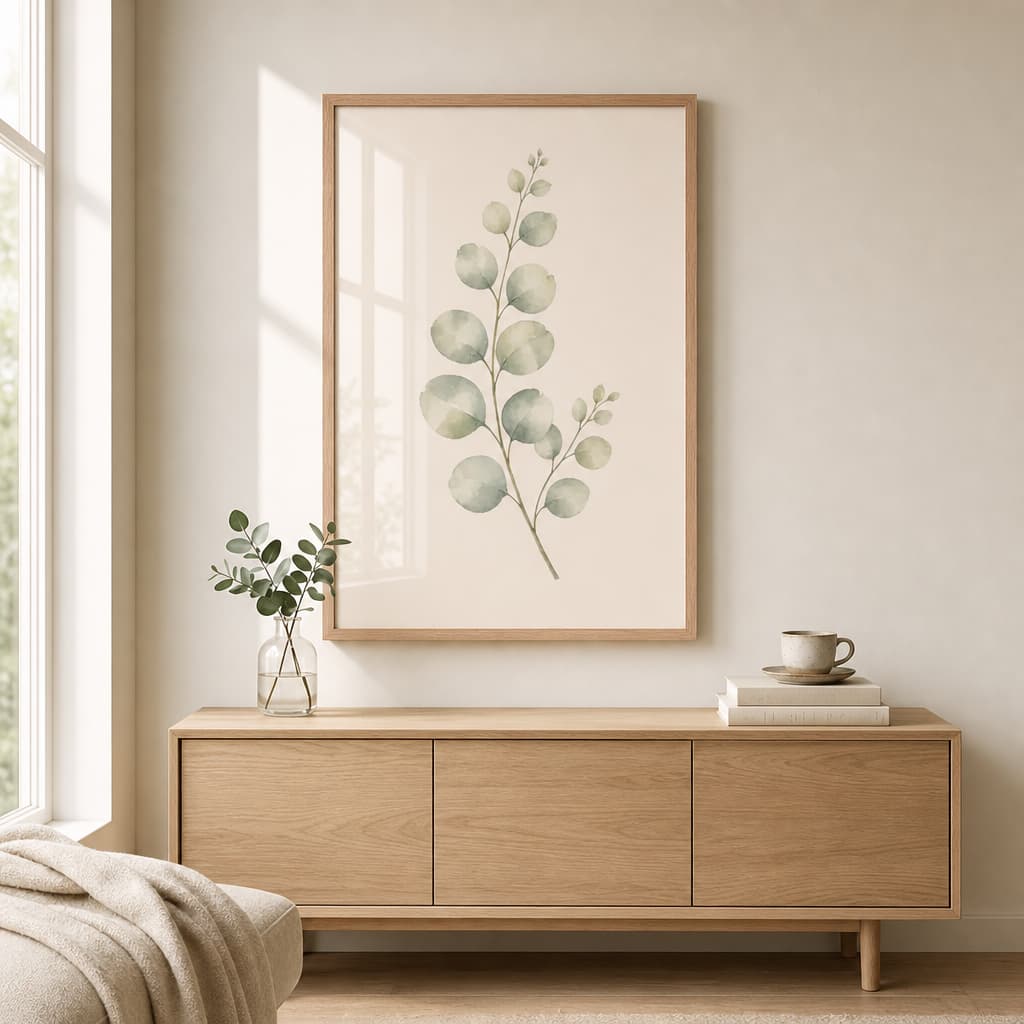
Eucalyptus Branch Framed Botanical Wall Art — Minimalist Watercolor
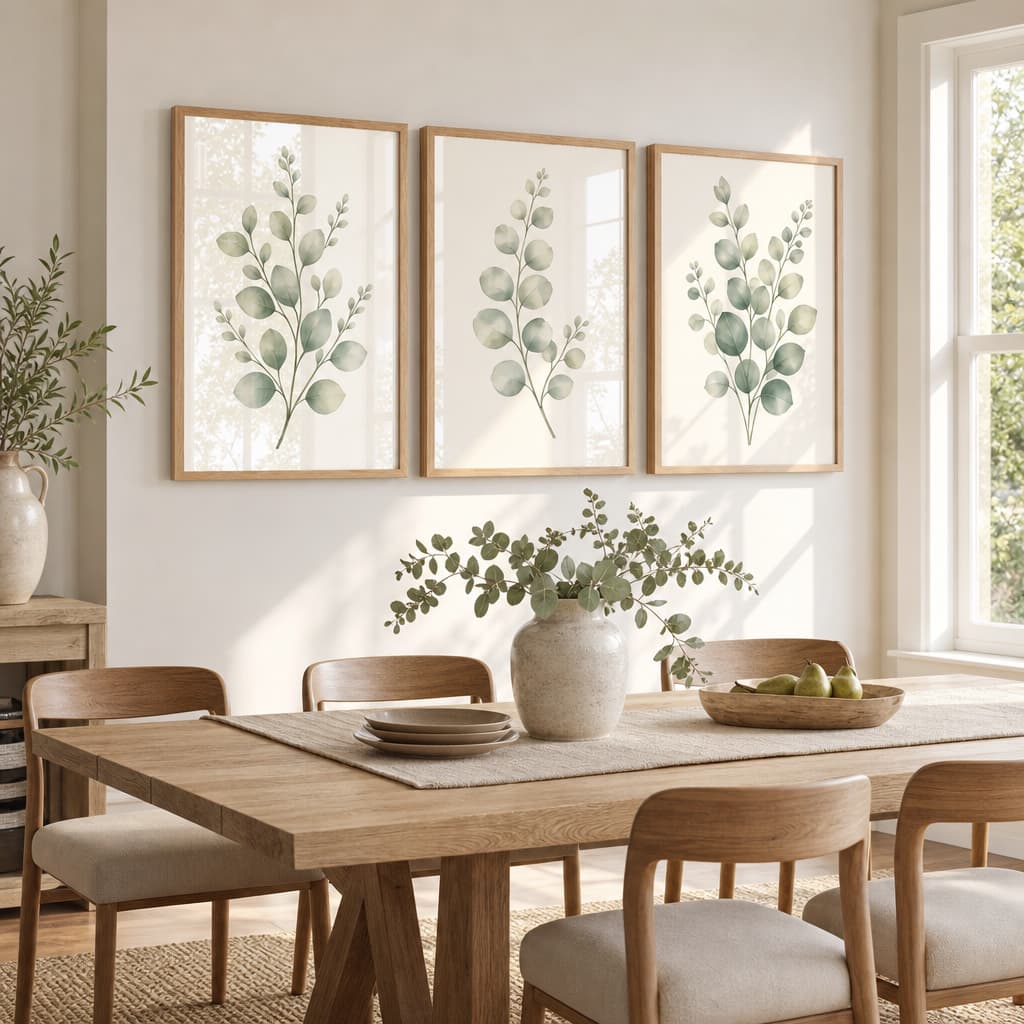 Set of 3
Eucalyptus Botanical Framed Wall Art Set of 3 — Minimalist Watercolor Collection
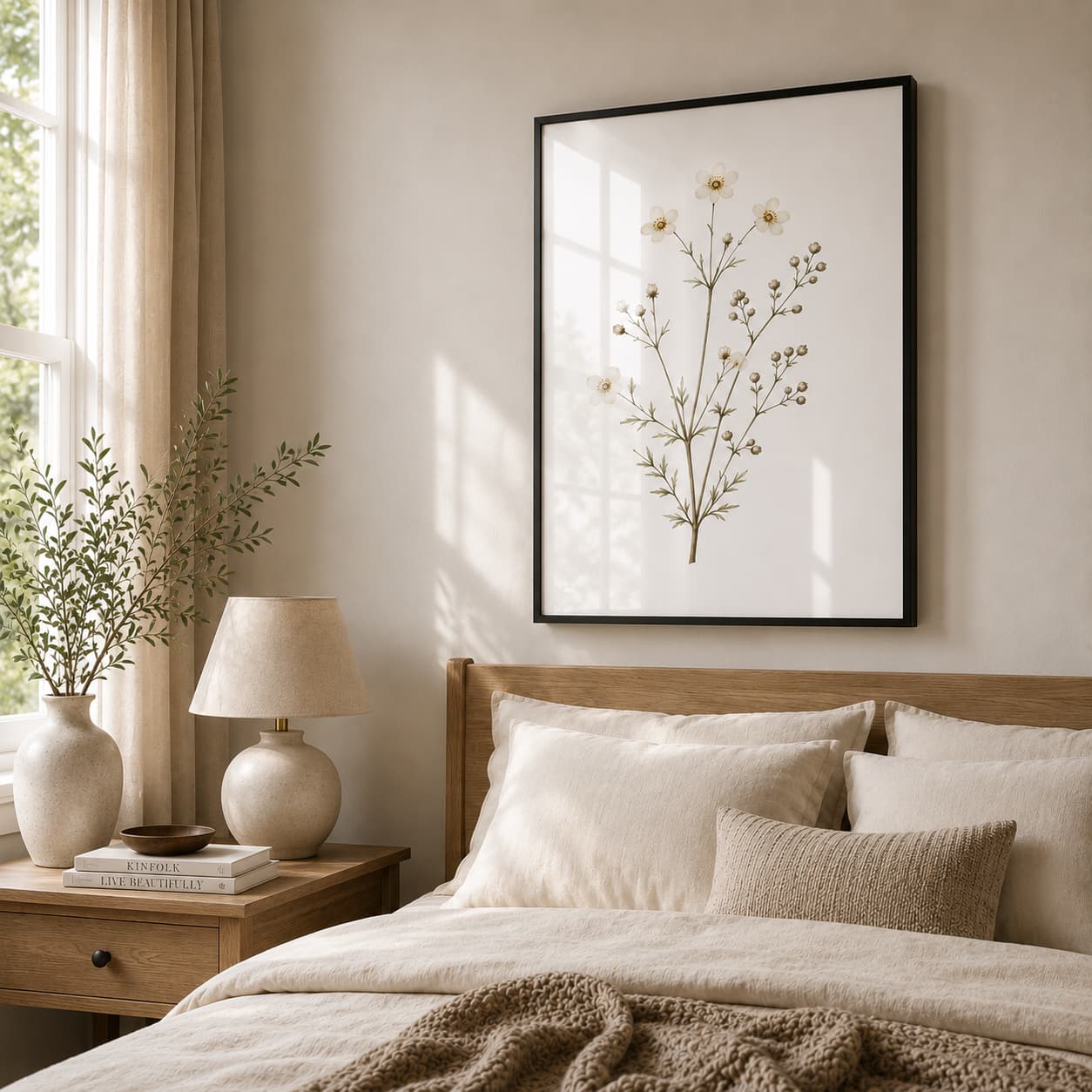
White Cosmos Botanical Framed Wall Art – Soft Minimalist Floral Illustration
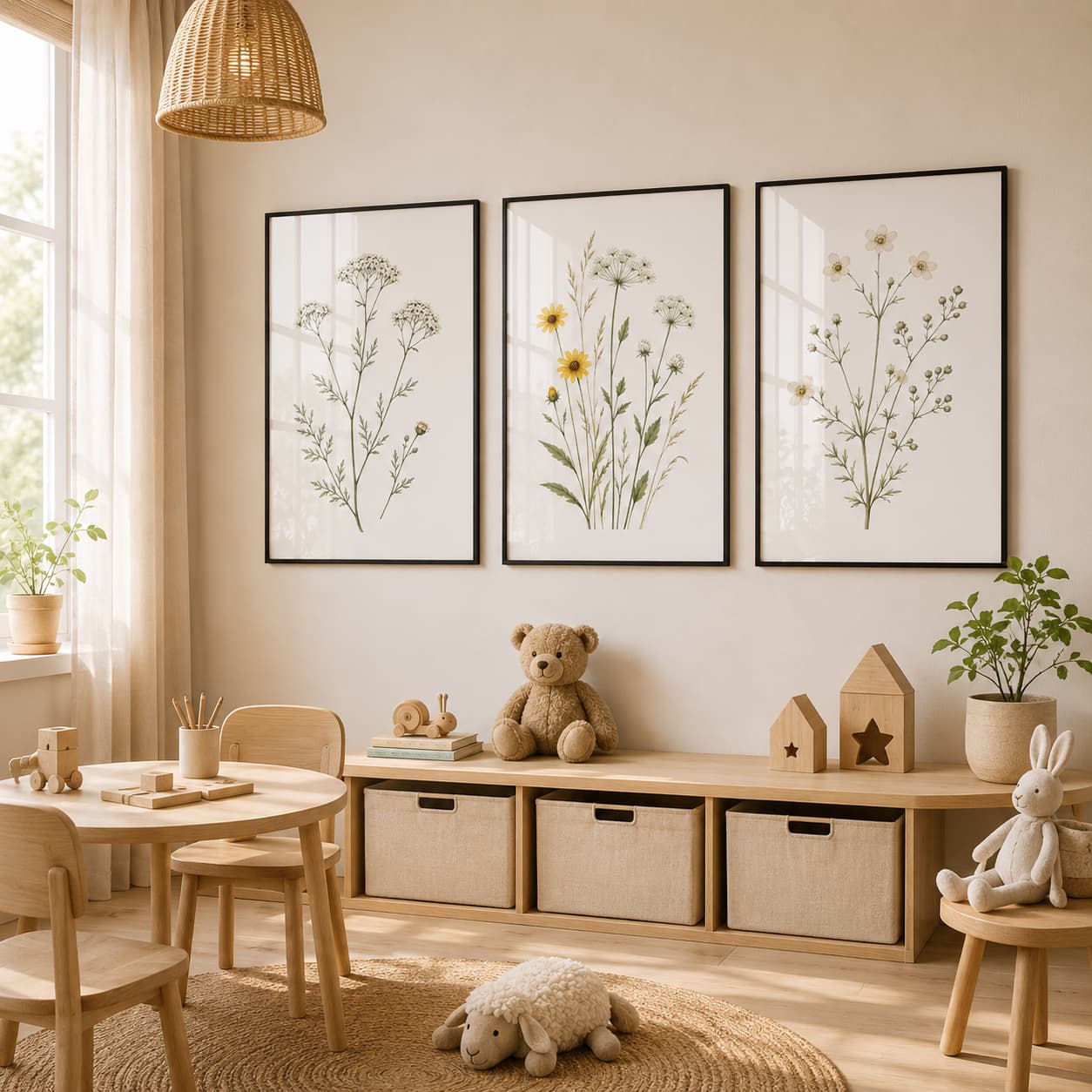 Set of 3