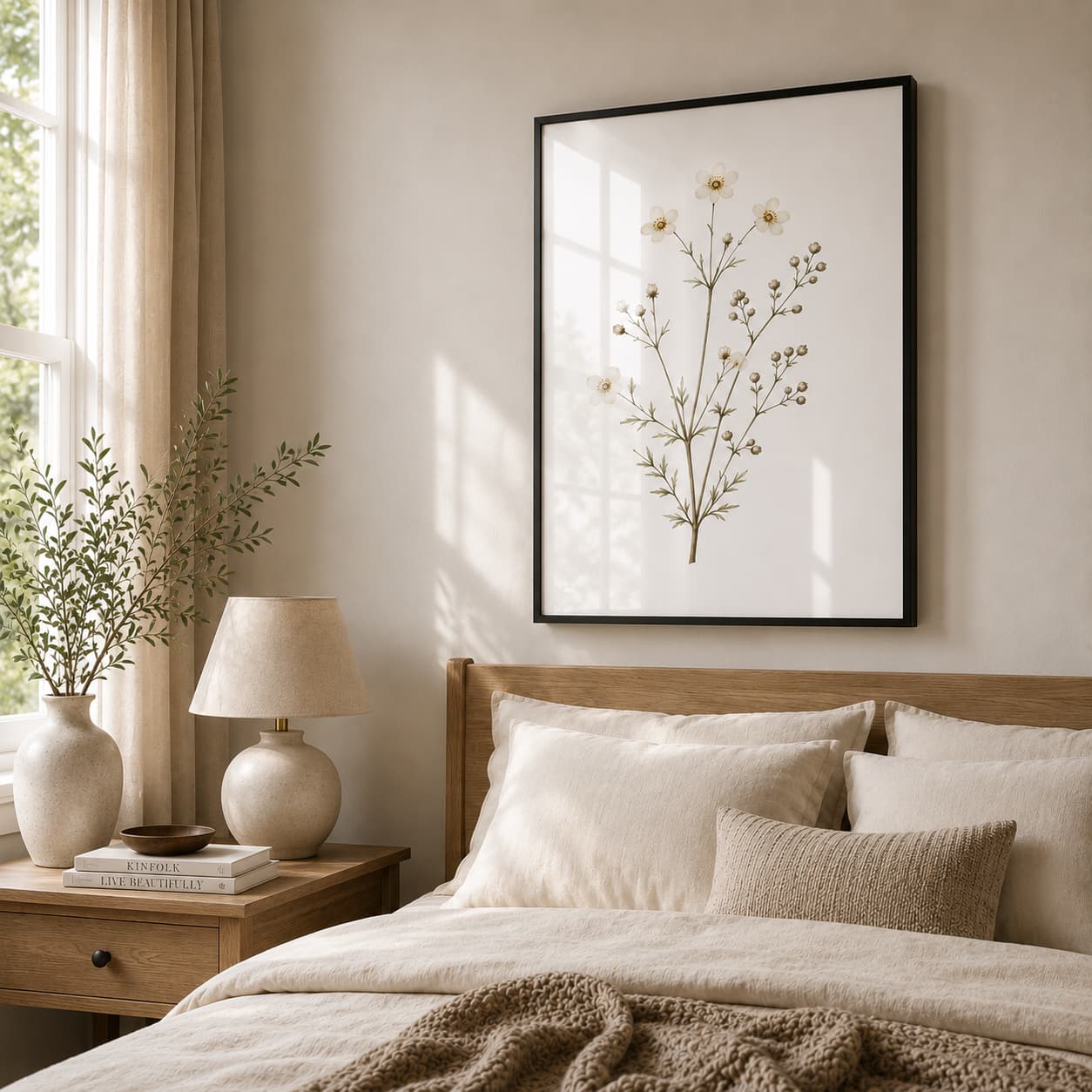
How Much to Spend on Wall Art: Budget Guide

Deciding a budget for wall art depends on your space, style goals, and whether you seek investment value or just décor. Interior designers often match art size to the room scale, with smaller rooms fitting prints around $60–$200 and larger living spaces warranting $400 or more. Materials (canvas vs paper vs metal), size, framing, and artist prestige all affect price and longevity. For example, a single 8″×10″ framed print from ArtoLeaf costs about $60, while a three-print set runs ~$170 – a relative bargain per piece. Ultimately, set a flexible budget per room, mix splurge pieces with affordable accents (always adding ~30–60% for framing), and choose art you love within that range. Below we detail factors, price bands, personas, and practical tips to help you allocate the right amount for quality wall art.
Factors That Influence Art Price and Value
When budgeting, consider these factors that affect price-to-value:
- Materials & Medium: The substrate and finish hugely impact cost and durability. Canvas prints (textured, frameless) are durable and moisture-resistant but come at a higher upfront price. Paper prints (photographic or fine art) deliver sharper detail but require framing and protection (acrylic/glass). As one guide notes, canvas often justifies its higher cost with long-term value, whereas paper prints are more budget-friendly initially but incur framing costs. Metal or acrylic prints, often pricier, offer even greater longevity – e.g. metal prints last a lifetime under proper care. In short: more archival materials and premium finishes raise price but also boost longevity and aesthetic impact.
- Size and Scale: Larger artworks generally cost more. Artelino explains that, all else equal, “larger prints tend to achieve higher prices than smaller ones”. A small 8×10″ piece may only be tens of dollars, but a 24×36″ focal canvas or framed print can easily run several hundred or more. When setting a budget, measure your wall and apply the “60–75%” rule for coverage (anchor your furniture or space with an appropriately sized piece). More space typically means allocating more budget: a statement work to fill a big wall might warrant spending 5–10% of the room’s value on art (industry rule of thumb).
- Artist Reputation and Rarity: Original artworks or limited editions by well-known artists command higher prices. Even prints’ value hinges on this. As one gallery notes, print value depends on “the artist’s reputation, rarity of the piece, and quality”. Limited editions add artificial scarcity: “A limited edition adds value by guaranteeing that only a fixed number of impressions will be produced”. For example, a signed edition of 50 may cost far more per print than an open edition. If you buy mass-produced prints with no name or artist branding, prices stay modest; by contrast, limited edition or gallery pieces push budgets higher due to their collectible nature.
- Framing and Installation: Frame style and quality can add 30–60% to a print’s base cost. ArtoLeaf’s products come ready-framed (using ayous wood and Acrylite fronts), which adds value but is factored into their prices. When budgeting, always account for framing, hanging hardware, and even shipping/insurance. A $60 print can easily become ~$90–100 after a quality frame. Conversely, buying unframed prints lets you save on initial price but expect to spend extra later.
- Provenance & Trends: For high-end art, provenance (previous ownership, gallery history) can drive price, but for home decor pieces this is usually less relevant. What matters more is style longevity. RBC Wealth cautions that art values are subjective and trend-driven: “Like fashion, artists and their works go in and out of style, affecting resale value”. Trendy styles (e.g. mid-century abstracts) may see short-term popularity, whereas classic motifs (botanicals, landscapes) hold aesthetic value longer. If resale or investment is a concern, prioritize timeless subjects and limited editions. However, remember RBC’s warning: “Art’s value shifts with cultural and market trends – what’s hot today may not hold demand in future”. In home decor, the emotional or aesthetic value often outweighs any financial resale hopes.
- Authentication and Age: Rarely relevant for new wall art prints, but important for antiques. Generally, newer decor art lacks provenance issues. However, if you venture into collectible art (antiques, vintage posters, or known artists), age and condition can sharply affect price. As Maddox Gallery notes, older prints with wear sell for less, while mint-condition works fetch premiums.
Budgeting Guidelines & Price Bands
A practical approach is to set a price band based on room size, decor goals, and the role of the art (accent vs statement). Industry advice and home décor experts suggest ranges like these:
Sources: These bands are drawn from interior design advice and retailer benchmarks. Adjust for local markets or specialty art.
Budget Tip: Allocate art budget relative to room value – some decorators suggest spending 20–30% of your budget on art after furnishing a space. Always factor in framing costs (as above) and plan purchases over time. The AboutWallArt guide recommends matching art scale to the room and “tailoring your budget room-by-room”. Start with one anchor piece (maybe larger spend) and fill with smaller, budget-friendly items.
Material Choices vs. Durability
Below is a comparison of common print materials and trade-offs:
Framing Note: As the canvas vs paper comparison shows, paper prints incur framing to protect them. Canvas can be frameless, reducing frame costs but usually has a higher material cost. If budget is tight, a mid-tier compromise is a high-quality matte poster print in a standard frame; for longevity, invest in UV-glazed frames or consider acrylic prints (not shown above) which also offer both durability and high gloss at a premium.
Cost Breakdown & Trade-offs
Frame and Mounting: Remember to add framing (unless built-in as with many ArtoLeaf products). A typical ready-to-hang frameless 16×20″ canvas (raw edge) may cost 30–40% more than a print alone, but saves on later framing. Conversely, unframed prints often sell for half the price of a framed version. Example: ArtoLeaf’s 8×10″ print is $59.99 framed; a similar unframed poster elsewhere might be $20–$30, but you’d pay extra later for a frame.
Bulk Discounts: Buying in sets can yield savings per piece. ArtoLeaf highlights that their set of three prints offers “better value compared to purchasing individually”. In our example, three 8×10″ prints individually ($59.99 each) would total ~$180, but the set is $169.99. Many retailers and galleries bundle prints (diptychs, triptychs) at a combined lower rate.
Shipping & Extras: Check shipping costs. ArtoLeaf ships free over $99 in the USA/Canada. International or expedited shipping can add $50–$100 or more. Also budget for taxes or duties if applicable.
Resale vs Enjoyment: If you’re thinking investment, know it’s speculative. Fine art can appreciate (as RBC notes, multi-million-dollar sales do happen), but as one expert warns, art has “considerable extra costs” (insurance, gallery fees) and may not be liquid. For home decor, we recommend focusing on personal enjoyment and décor value. A piece that moves you may pay off in daily satisfaction, even if it doesn’t double in price.
Buyer Personas and Spend Ranges
- Budget Buyer (“Starter Decorator”) – Budget ≤ $100 per piece. Likely renting or on a tight budget. Recommendation: Look for small prints, posters, or student art. For example, an 8″×10″ premium botanical print (like ArtoLeaf’s) is ~$60. You might buy one statement in your bedroom or office and pair with DIY art or low-cost accents elsewhere. Focus on multi-purpose: e.g. “bring home economy canvas prints or large photographic posters”. Mix smaller canvas on sale, thrifted frames, or gallery wall prints from online retailers. At this level, they often buy multiple smaller works (a collection of 2–4 pieces) to decorate rather than a single large canvas.
- Mid-Range Buyer (“Home Improver”) – Budget ~$100–$300 per piece. Established homeowners furnishing living/dining spaces. They can afford one or two larger pieces (16×20″ or 18×24″ framed prints) and still have room for accents. Example: A 16″×20″ ArtoLeaf print might be ~$150 (8″×10″ is $60, so scale up). This buyer might spend $200–$300 on a focal piece above the sofa, and get smaller ($50–$100) prints or coordinating sets for other walls. At this tier, quality matters: choose archival papers, good frames, maybe limited-edition runs. They’re willing to splurge on one premium piece (e.g. a large archival canvas), but will mix in affordable supporting prints. Many mid-range buyers mix online prints with local artist finds, or use sale/discounts for some items. They often invest in small gallery walls (5–7 pieces of various sizes) within their budget, balancing big canvas with cluster of minis.
- Investment Collector (“Serious Art Lover”) – Budget $300+ per piece. Collectors and design-savvy buyers. They may buy original artworks, canvas gallery wraps, or high-end limited prints by emerging artists. At this level, ArtoLeaf’s catalog (which caps around a few hundred dollars for largest prints) may be secondary — the buyer considers one-of-a-kind pieces or large-format prints. For example, they might spend $500 on an original canvas or a numbered etching. Resale or long-term value enters consideration: paintings, signed limited-edition prints, or iconic themes. These buyers often commission art or buy through galleries. Our advice: choose pieces with strong provenance or from reputable vendors, and ensure proper care (museum framing, insurance). Even here, an ArtoLeaf-style print is an “affordable” accent, not their main investment. We also remind that, per RBC, art investment is risky and trends can reverse, so enjoyment and curation should drive choices, not just asset speculation.
FAQs on Art Budgeting
- Q: “Does spending more guarantee better art?”
A: Not necessarily. Quality depends on materials and execution, not just price. As noted, “quality” (superior materials, printing, framing) and “artist reputation” primarily determine value. A well-made print from archival paper can outlast and appear nicer than a cheaply made original. Always evaluate the quality (paper weight, frame construction) for the price. For example, ArtoLeaf’s pieces use premium luster paper and acrylic fronts for durability, so even at $60 a print has high-value materials. Conversely, an expensive painting that isn’t to your taste or of poor technique isn’t worth it. Use price as a guide, but inspect craftsmanship. - Q: “Should framing be included in my budget?”
A: Absolutely. Many buyers overlook framing costs. The AboutWallArt guide specifically warns: “Always include framing in your budget — it can add 30–60% to the total cost”. For example, a $100 print may need a $30–60 frame. If an artwork is unframed, plan to add that on. Some retailers (like ArtoLeaf) bundle frame and print for you; others leave it separate. We advise getting at least an estimate for framing when comparing art prices. - Q: “How many art pieces should I buy within my budget?”
A: It depends on your space plan. A single large piece can serve as an anchor (and take much of your budget). Alternatively, spread your budget across several small pieces for a gallery wall effect. AboutWallArt suggests splurging on one “statement” piece and saving on the rest. E.g., with a $300 budget, you could buy one $200 focal canvas and two $50 accent prints. If you have many walls, consider rotating art over time. Prioritize key walls (above sofa/bed) first, then add cost-effective art in supporting areas (hallway, kitchen). - Q: “Can art purchases appreciate or be resold?”
A: While some art can appreciate (famous artists’ prints or originals sometimes sell for more later), don’t count on it. Art is considered illiquid and subjective. RBC’s wealth report warns that art prices “fluctuate based on trends and collector demand” and has extra costs (insurance, commissions). As a home buyer, think of art as a lifestyle/passion purchase first. If you do buy limited editions or original pieces, keep certificates of authenticity and store them well; but plan to enjoy them regardless of future value. - Q: “What if I’m not sure about my style?”
A: Start modestly. Spend less on experimental pieces (posters, prints) until you confirm what you love. Save splurges for art that truly moves you. Interior designers often let first-time buyers “test drive” affordable prints before investing heavily. Also, mixing neutral or botanical art (like ArtoLeaf’s) can be safer, as these themes are broadly appealing and timeless. - Q: “How to prioritize if my budget is tight?”
A: Focus on one or two focal points. For example, allocate 70% of your art budget to a main piece (living room sofa wall) and use the rest for decorative accents elsewhere. You can add more art later as budget allows. The AboutWallArt guide emphasizes planning gradually and “leaving room for future additions”.
Ready to find the perfect piece within your budget? Visit ArtoLeaf’s shop and browse our curated collections. Whether you need a single botanical print to complete a gallery wall or a set of coordinated designs, our Botanical Collections and Shop pages make it easy to filter by price and size. Check out our Botanical Collection or explore themed sets (e.g. “Verdant Whispers”) to see real examples at various price points. With museum-quality materials and free shipping over $99 (USA/Canada), ArtoLeaf helps you maximize value on every art investment.
Your home deserves art that balances beauty and budget. Apply these guidelines, and shop confidently at ArtoLeaf for wall art that enriches your space – without breaking the bank!
Value-Packed Multi-Print Sets & Statement Singles
Save up to 40% per print with curated sets of 3 shipped ready-to-hang.
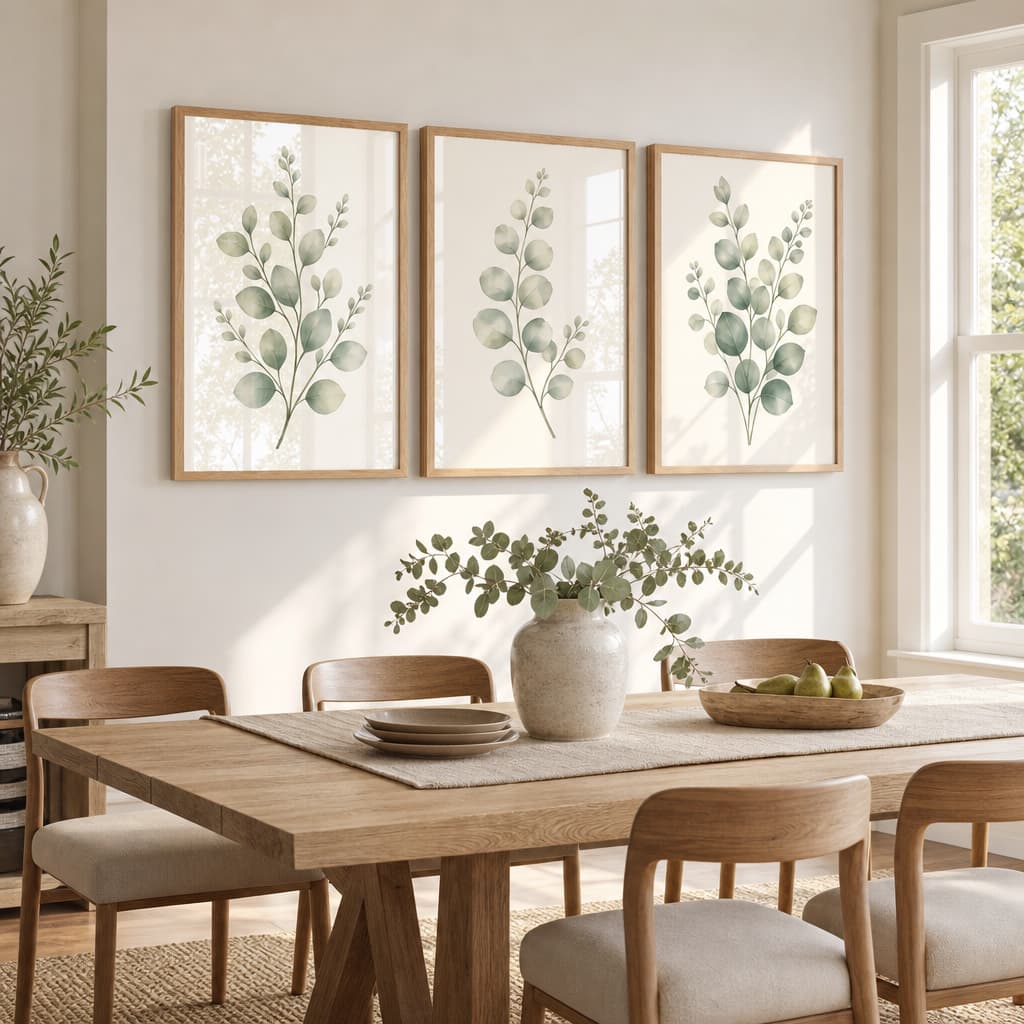 Set of 3
Eucalyptus Botanical Framed Wall Art Set of 3 — Minimalist Watercolor Collection
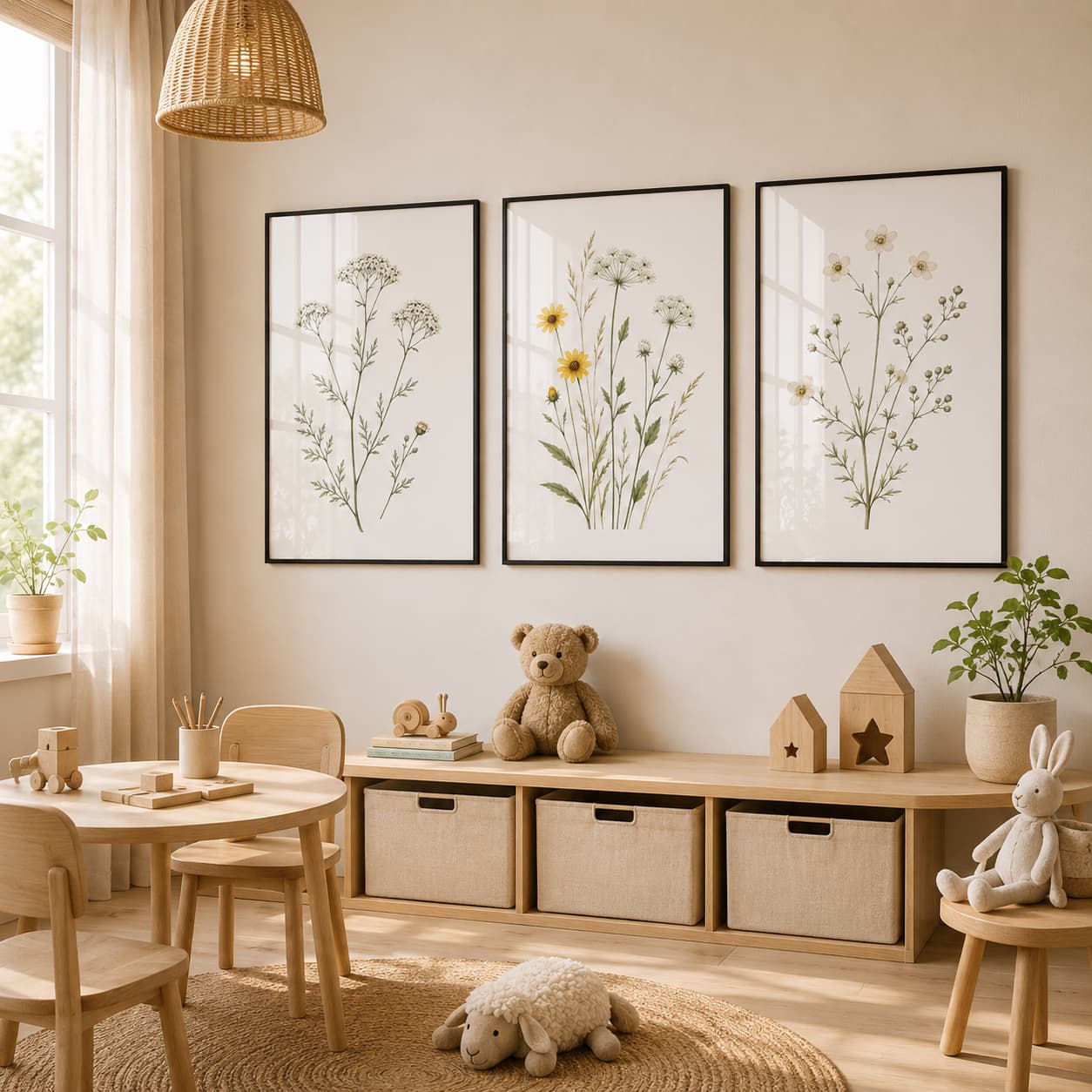 Set of 3
Field Notes Botanicals – Set of 3 Minimalist Wildflower Framed Wall Art
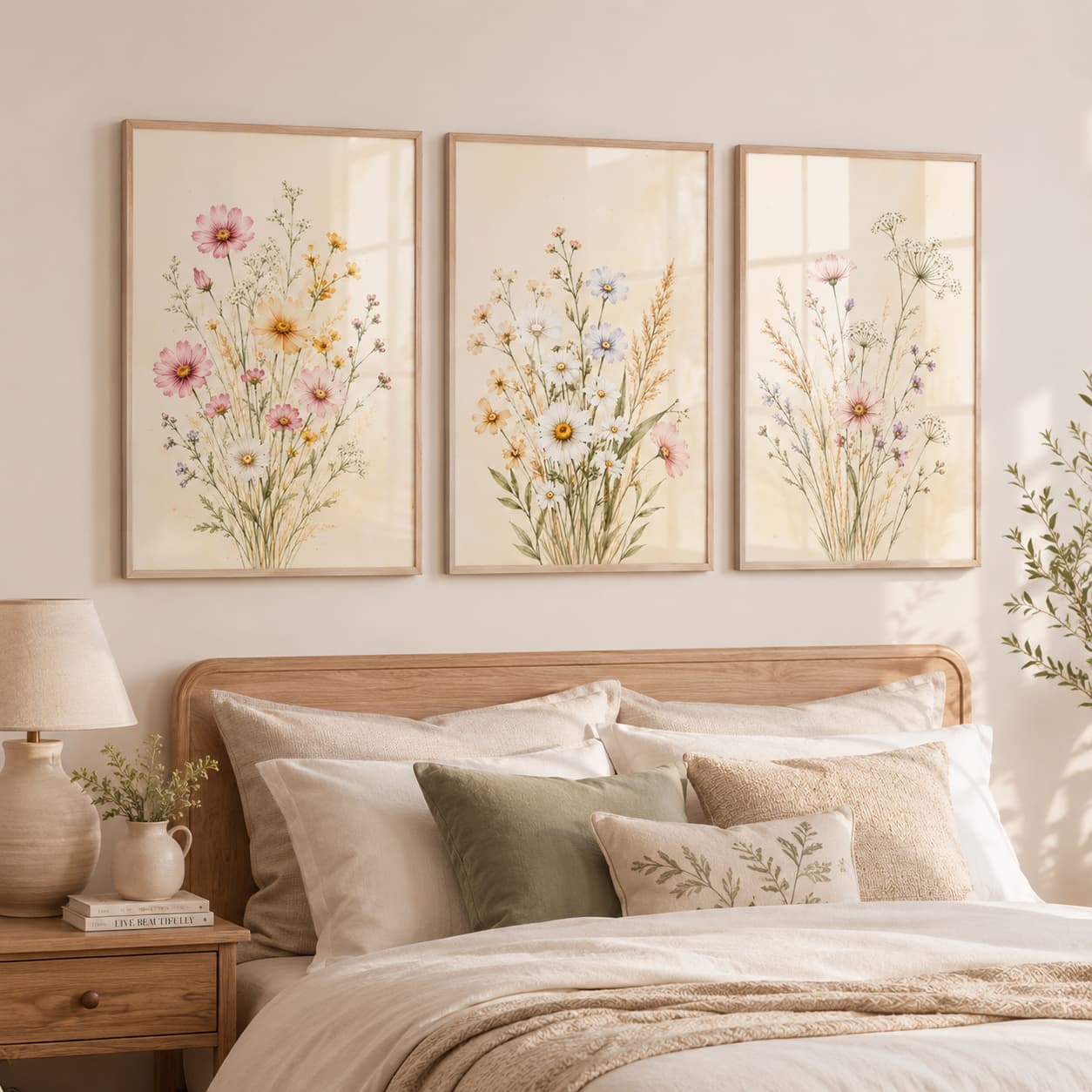 Set of 3
Meadowlight Wildflowers – Soft Botanical Framed Wall Art Set for Serene Bedrooms